
Growing The Long Tail Of Constituent Engagement
 The promise of new citizen-centric government services enabled by social and mobile technologies and often access to government data is fast becoming reality — and has changed the way in which government organizations and their constituents engage.
Open 311 initiatives have spread across the US, and the equivalent non-emergency access initiatives have gained traction in other geographies as well. However, citizen engagement is not just about potholes and power outages; it is increasingly about the long tail of needs and interests. Public access to data and the ease of application development have facilitated the development of new applications and services. As a result, specific groups, however large or small, can develop an application to serve their purposes. Or applications can be developed for a specific project and may only be used for a couple of months, or may only be used by a niche audience.
I have had several lively conversations this week with vendors working to enable open data and new tools for constituent engagement. As an example, ESRI brings maps and the value of GIS to this explosion of citizen services. People like to visualize things, and seeing data represented on a map helps identify patterns and create a context for the data. That makes it easier to understand and easier to act on. ESRI and their partners have worked with a wide range of government organizations on creative ways to engage constituents — both citizens and businesses.
- Reno Sparks Bicycle and Pedestrian Plan included citizen input via map-enhanced Web and smartphone applications into the plan development. The project solicited information on types of bikeways needed, identification of dangerous intersections, bike parking needs, and other feedback.
- Redistrict Utah enlisted Utahns in the state legislative redistricting process. They were able to draw maps to the strict parameters demanded by the redistricting process, share those maps on social networks, and present the work to the redistricting committee in a compatible format. You can also review and comment on map ideas submitted by others.
- Philadelphia Neighborhood Transformation Initiative launched DecisionMaps, a Web-based tool which integrates property information and the property’s critical spatial factors, such as proximity, with a variety of community assets. The tool allows business leaders to make location decisions based on geospatial information about the city and the specific location.
The above examples are project-based, set up to solve specific challenges, and fairly mainstream in their objectives. The ability to launch a Web or mobile app to address a time-constrained issue reflects the ease of use of the new tools available.
Those tools also enable governments and organizations to reach out to the long tail of interests. For example, new applications enlist space enthusiasts and desert aficionados to participate in data collection and research into their interests.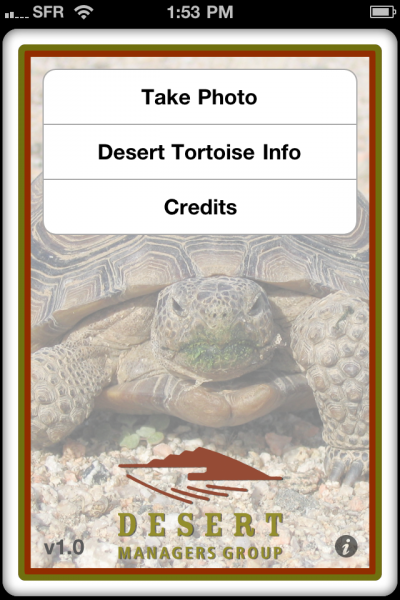
- Mojave Desert Ecosystem Program uses geospatial data to support a mission of protecting the desert ecosystem; its mobile application enables citizens hiking in the Mojave Desert to report sightings of the endangered desert tortoise and provides information on the legislation protecting the tortoises. The application gives citizens the ability to supplement the research that government agencies are doing to help the endangered species.
- Be A Martian, launched by NASA, enlists space enthusiasts to help map Mars and count craters, in order to know when lava flowed, floods surged, and how that changed over time. The goal is to extend research teams and process the vast amounts of data and images collected by Mars missions.
These examples illustrate that the value of open data and constituent engagement tools is not merely in the high-volume, mass public applications for bus arrival predictions, neighborhood crime updates, and parking availability. The value of these tools lies in being able to address specific issues facing a city and to engage one’s whole constituency, however esoteric. And, the long tail of constituent engagement continues to grow. The key, however, to growing that tail lies in open data and user-friendly tools.
I'm writing a report on citizen engagement practices and tools. I'd love to hear about other interesting examples. Thanks!